Beyond Traditional HR in the Face of Globalization
Common Topics11 hours ago

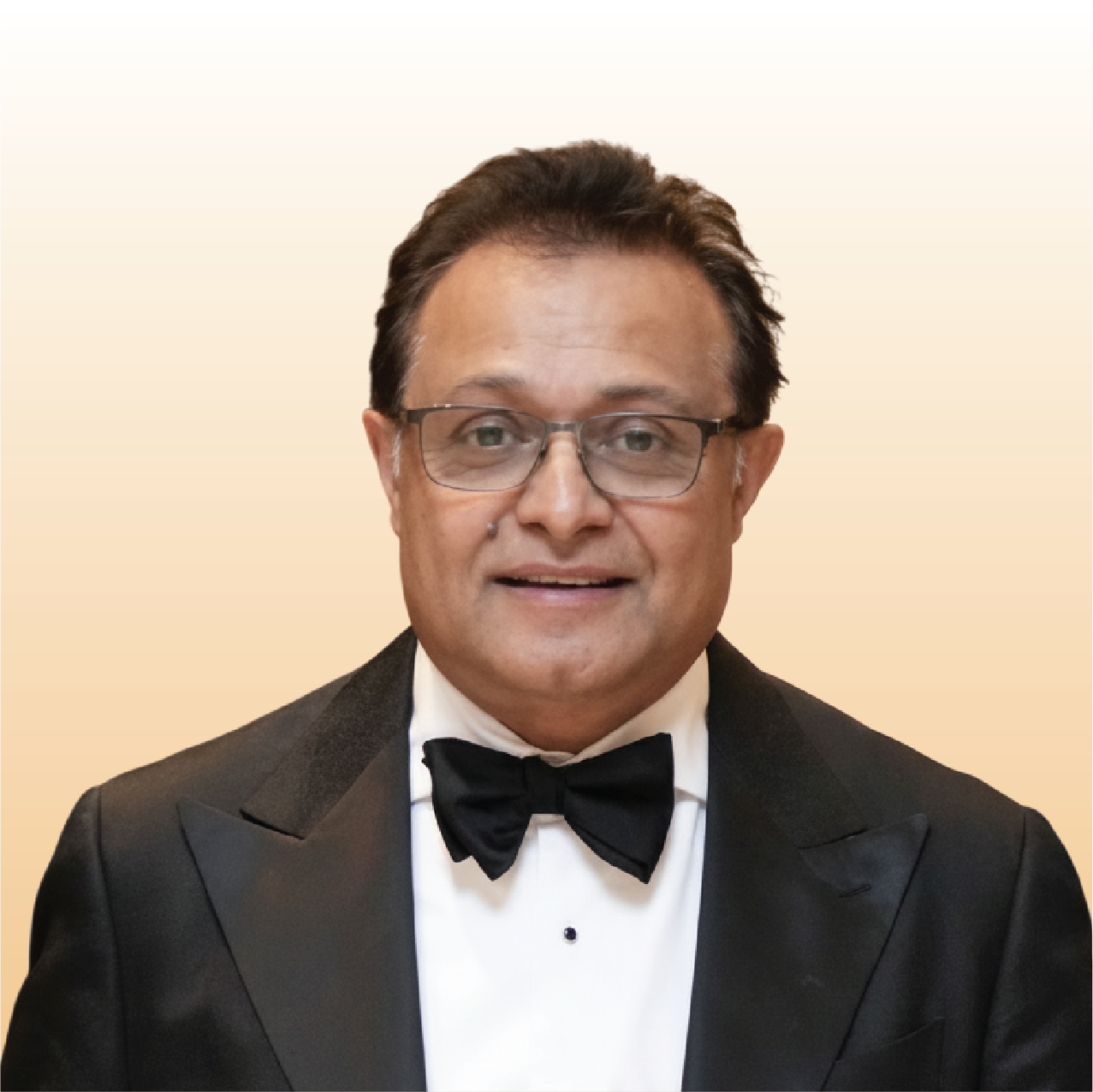
Chitral Amarasiri is the founder President of the Association of HR Professionals in Sri Lanka. Former HR Head of Commercial Bank of Ceylon, Hemas Group of Companies, and Bogawantalawa Plantations. He is currently working for an international development organisation based in Washington DC USA. His expertise and extensive experience span numerous fragile, developing, and middle-income countries in multiple continents, including Africa, the Middle East, and South Asia. His thought leadership extends to being a keynote speaker and panel member at international conferences, and he has contributed to numerous publications and book reviews, solidifying his status as a respected voice in the field of HR. His leadership has been recognized with several awards for outstanding contributions. These perspectives reflect Chitral’s personal views and should not be interpreted as official positions of the organisation he is currently employed by.

Mr.Chitral Amarasiri

  Q : HOW SHOULD ORGANIZATIONS EVOLVE THEIR MINDSET FROM SEEING EMPLOYEES AS RESOURCES TO VIEWING THEM AS LONG-TERM VALUE CREATORS AND STAKEHOLDERS?

Progressive organisations increasingly view employees as long-term value creators rather than short-term resources. This shift from a transactional mindset to a genuine partnership is reinforced when companies create conducive environments that promote innovation, exceptional customer experience and resilience. Some forward-thinking organisations even offer shares or options, signalling true ownership. Leaders and HR must design employee pathways centred on growth, purpose and contribution not merely labour utilisation. By investing in skills, wellbeing and psychological safety, companies cultivate discretionary effort, creativity and loyalty. When people are treated as stakeholders, they respond with ownership, accountability and long-term commitment, strengthening performance and competitiveness.

Q : HOW SHOULD COMPANIES INTEGRATE AI, AUTOMATION AND PEOPLE ANALYTICS INTO WORKFORCE PLANNING WITHOUT COMPROMISING THE HUMAN ELEMENT?

AI, automation and people analytics enhance efficiency, predictability and decision-making. They will not replace human intervention entirely, but they will displace certain skills while creating new ones making reskilling and upskilling essential components of future workforce planning. Forward-looking organisations will use AI to remove routine tasks, consolidate tasks and allow staff to focus on creativity, judgement and relationship-building. Ethical boundaries, transparency and human involvement are critical for maintaining trust. When applied thoughtfully, AI strengthens workforce planning, improves skills forecasting and boosts productivity while preserving dignity, choice and human connection.

Q : WHAT COMMON MISCONCEPTIONS ABOUT EMPLOYEE MOTIVATION SHOULD COMPANIES CHALLENGE TO BUILD A TRULY PEOPLE CENTRIC CULTURE?

Many organisations still assume employees are motivated primarily by salary, supervision or control. In reality, people thrive when they experience purpose, autonomy, fairness and meaningful work. Another misconception is that motivation depends solely on incentives, when research shows it diminishes if employees feel micromanaged, excluded or unheard. In some workplaces, fear was once used as a motivator, but these outdated practices are steadily disappearing. Companies must recognise that motivation is deeply personal shaped by culture, values, career aspirations and life stage. A truly people-centric culture nurtures motivation from within, rather than trying to enforce it from above.

Q : HOW SHOULD COMPANIES ADAPT COMMUNICATION AND LEADERSHIP STYLES TO CONNECT EFFECTIVELY WITH YOUNGER EMPLOYEES ENTERING THE WORKFORCE?

Younger employees value leaders who are honest, authentic and transparent, and they expect clear reasoning behind decisions. They respond well to leaders who listen actively, show empathy and support mental well-being. Inclusivity matters psychological safety, respect for diversity and space for different viewpoints are essential. Younger talent prefers collaborative, coaching-oriented leadership over command-and-control. They also appreciate purpose-driven leadership aligned with their values. Clear visibility into career pathways further strengthens engagement. Communication must be concise, digital-first and interactive, with regular feedback and opportunities to contribute. Because slow, hierarchical communication frustrates them, leaders should use short, mobile-friendly messages and involve young employees in problem-solving.

Q : HOW SHOULD COMPANIES MODERNIZE TALENT ACQUISITION TO ATTRACT PURPOSE-DRIVEN, HIGHLY MOBILE, YOUNGER PROFESSIONALS?

Companies that position their employee value proposition as purpose-driven, learning-oriented and socially responsible are far more likely to attract younger, highly mobile professionals. Recruiters must highlight meaningful impact, career mobility and continuous skill development in every stage of the hiring journey. Digital recruitment strategies such as social storytelling, employee ambassadors and values based employer branding strongly resonate with this generation. Selection processes must be fast, transparent and candidate-friendly, with assessments focused on skills, potential and cultural alignment rather than only traditional credentials. Organisations that articulate a compelling mission, offer flexible work arrangements and provide continuous learning opportunities will consistently attract and retain high-calibre, purpose-driven talent.

Follow
Loading

Signing-in 3 seconds...

Signing-up 3 seconds...

All fields are required.